
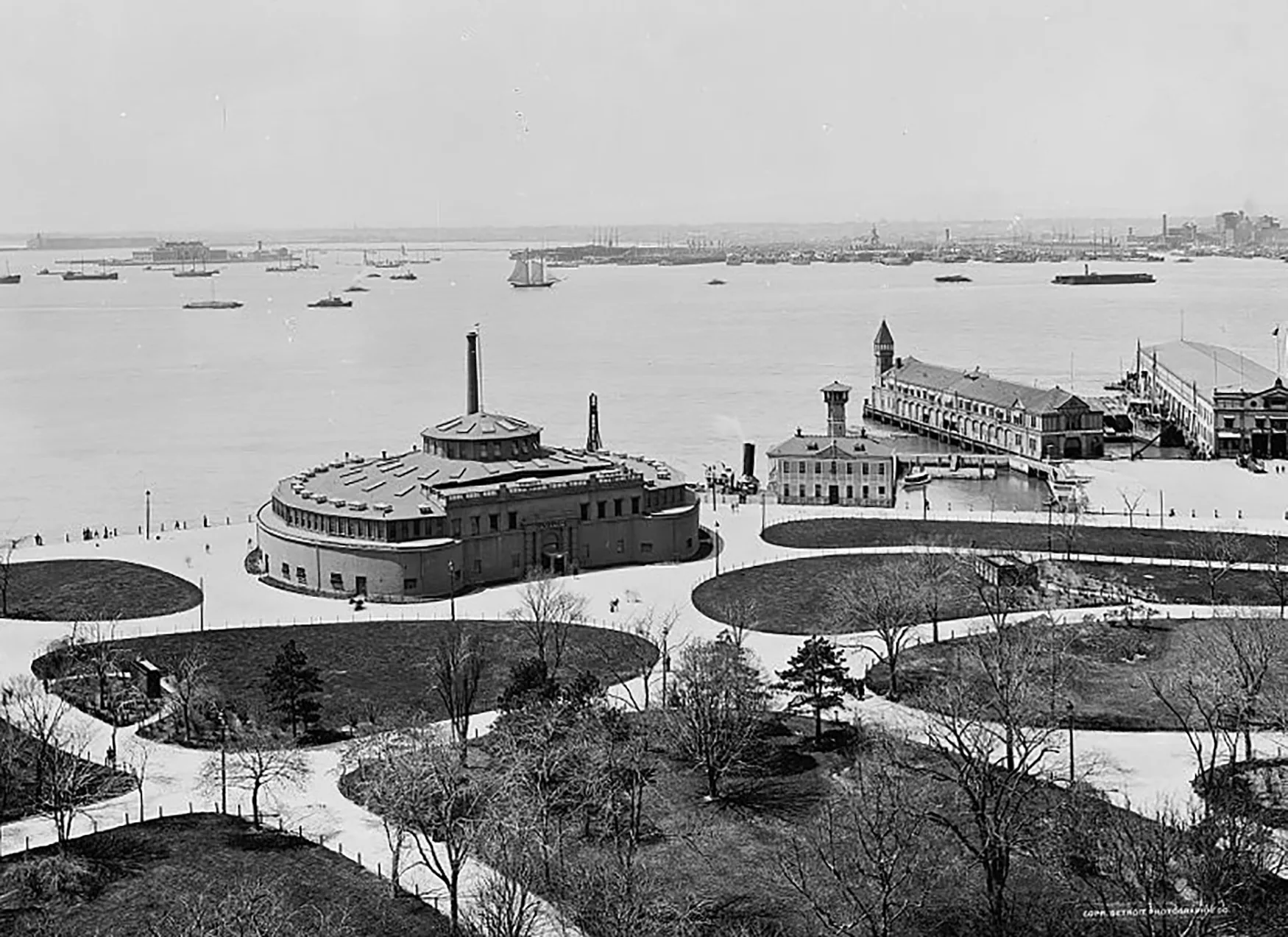
Life wasn’t easy for Minnesota’s German immigrants.
The stresses of life in one’s country can bring desires to “emigrate” for a new life. For the Germans the revolutions of the mid-1800s responded to dramatic conditions: wars, famine, epidemics (particularly cholera), repression, lack of opportunity and social mobility and the erosion of established norms.
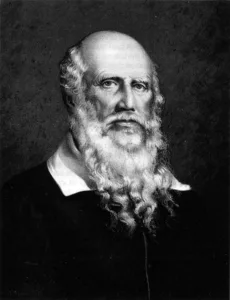
The Turnvater, Friedrich Ludwig Jahn (1778-1852), is considered the father of the Turnverein movement that emerged out of sports clubs in Berlin in 1811. It was banned in 1819 in Prussia, restored in 1842. Turner adherents joined athletic and social clubs that promoted physical fitness, liberal politics and German culture. “Physical culture,” organized health and strength movements, emphasized “heavy gymnastics”: strenuous exercises performed with apparatus (pommel horses, parallel bars and climbing structures) or track and field (running, jumping, even swimming) reflecting the philosophy of a “Sound Mind in a Sound Body.” It combined physical training with intellectual pursuits and culture. They also became occasions for members to bridge borders for festivals (Turnfeste), games, travel and to discuss politics. These discussions morphed into promoting nationalism, political and religious freedom, educational opportunity and equality. It is a model for the American youth of today.
Achtundvierziger/Forty-Eighters were progressive, educated German revolutionaries who immigrated to the Midwest and Minnesota after the failed 1848–49 insurrections. Thousands were killed and imprisoned. Forty-Eighters, Turners, proletariat and common peasantry embraced the US as a refuge. However, in their new land, as their numbers increased, they were met with anti-German nativism. In 1854 they formed the German American Chicago Land Association to relocate and found a colony in New Ulm.
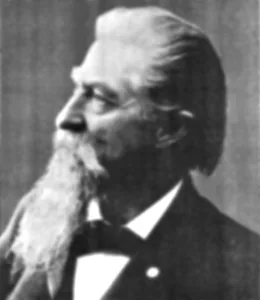
Jacob Wilhelm Pfaender (1826 – 1905) also left Germany amid the turmoil of the 1848 revolution. He traveled through England (meeting Karl Marx and Friedrich Engels) and settled in Cincinnati, Ohio. There he founded a Turner Society and served as its first president. In 1851, he married Catherine Pfau, who had grown up in a Turner family. In 1855 Pfaender advocated for “Practical Turnerism” toward founding an intentional (Turner) community. In 1856 in Cincinnati they established the Settlement Association of the Socialist Turner Society and joined the Chicagoan émigrés/settlers in New Ulm. The two groups merged in 1857 and New Ulm incorporated its township under Turner guidelines—named after Ulm in Württemberg, Germany. They survived grasshopper plagues, fires and the challenges of farming on the Great Plaines, often in isolated farmsteads, as well as the Civil War and Dakota Uprising. It is estimated that 390 individuals (60%) of civilian victims of the Uprising were of German origin, centered in Brown and Renville Counties.
German immigrants in St. Paul were also busy organizing. In 1852 its St. Paul Lesevereine (German Reading Society) was formed with 121 members. In 1857 they built an Athenæum, a Deutsches Haus (German House) below Seven Corners at Exchange and Pine. In 1858 they founded St. Paul Turnverein – two years after New Ulm’s.
German immigrants became a predominant group in St. Paul after it became a territory in 1849. Following 1848, hundreds of thousands German-speaking immigrants came to the U.S.. While Turners were small in number, they were well-educated and often played a leadership role in cultural and intellectual life, and became voices and publishers of local newspapers.
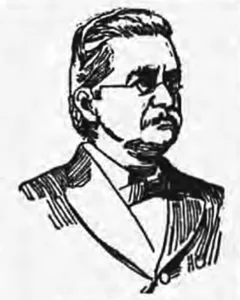
One such in St. Paul was Albert Wolff (1825-1893), a Forty-eighter and revolutionary. He was sentenced to death for participating in the 1848 revolutionary movement in Dresden, Germany, though was pardoned and immigrated to St. Paul in November 1852. When the Anthenæum was dedicated in November 1857 Wolff was featured as speaker. Wolff founded the New Ulm Post with Josef Hofer in February 1864 as “An independent newspaper for freedom, justice, and progress.” He was editor of the St. Paul Volkszeitung: “As a clear and able writer, Mr. Wolff has no superior among the German editors of the Northwest.” He served as Minnesota State Commissioner for Germany 1864-71 for the recruitment of immigrants. From Bremen he wrote to editors of periodicals and newspapers to “concentrate emigration to Minnesota where Germans were the most likely to find healthy and congenial climate, the greatest supply of unoccupied lands and the best chances for investments in enterprises of industry”.
Wolff built his home at 318 Goodhue Street in the West End in 1887. He committed suicide by train at the St. Paul Union Depot in the economic crisis of 1893. His Literarischer Nachlass-Literary Legacy was published posthumously St. Paul in 1894 and can be accessed at the Minnesota Historical Society.
To be continued.
You can find a copy of “The Origin Story of Fort Road/West Seventh Street, the Township/City of Saint Paul, the Territory/State of Minnesota: Glacial Age Forward” at your local library, or order up a copy of your own at fortroadfed.org. Learn more about the book and find Joe’s upcoming conversations about the history of West 7th at josfland.com.






Leave a Reply