
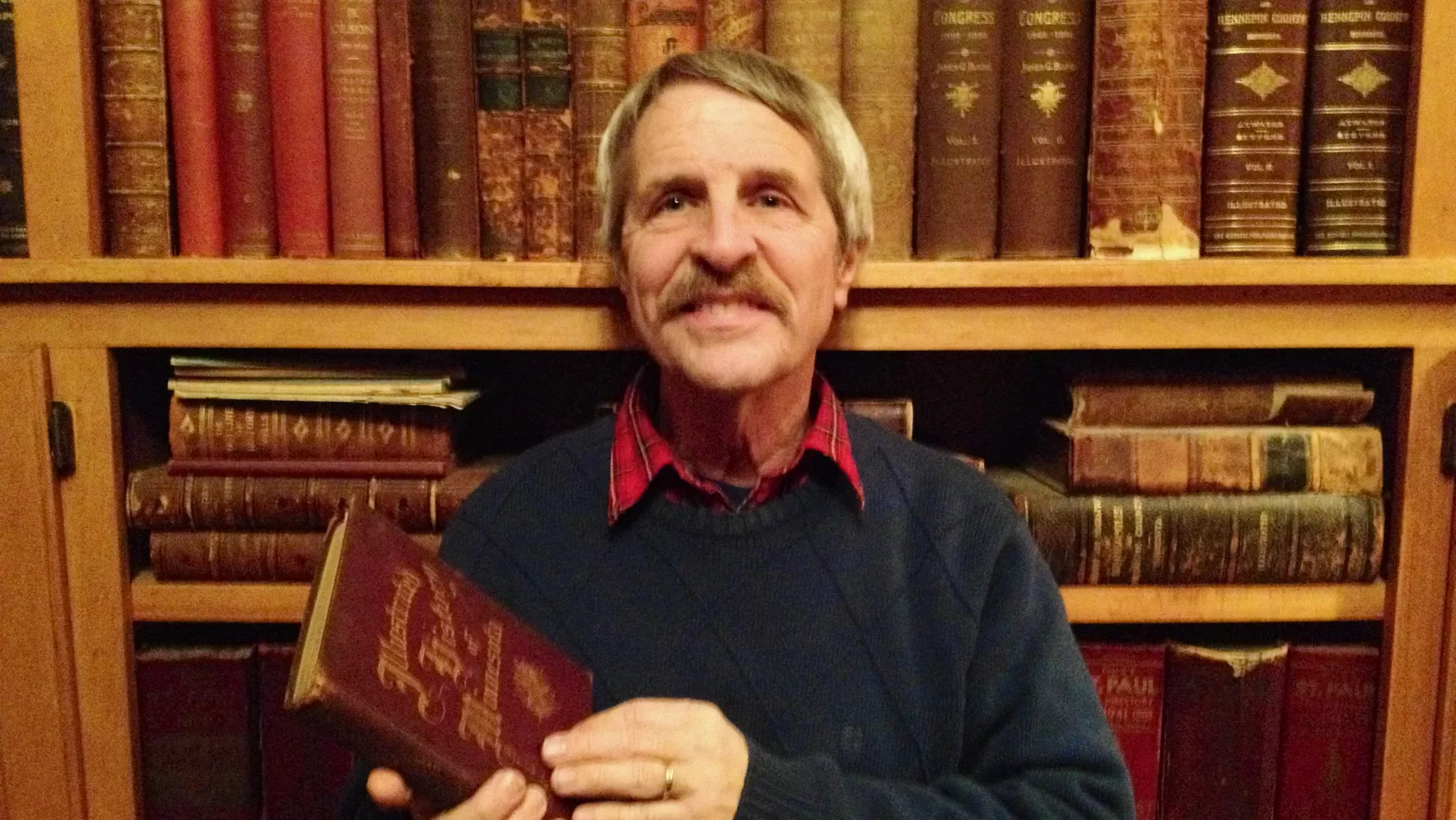
For many Minnesotans, St. Paul’s early history is reduced to a handful of familiar names and half-remembered legends. In “Saints and Sinners: The Pioneers of Saint Paul,” longtime historian and educator Gary Brueggemann sets out to expand — and complicate — that picture, offering an exhaustive, deeply researched account of how a remote riverfront wilderness became Minnesota’s capital city.
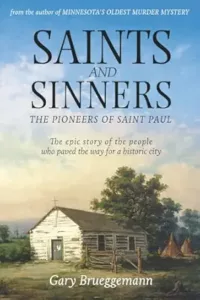
Published after more than a decade of writing and drawing on a 50-year career studying Minnesota and St. Paul history, the book focuses on the city’s formative years in the late 1830s and early 1840s. Brueggemann traces St. Paul’s origins from the era when Mdewakanton Dakota people lived along the Mississippi River, through the arrival of fur traders, immigrants and settlers who built the first chapel, businesses and homes that anchored the emerging community.
“The founding of St. Paul isn’t a simple, tidy story,” Brueggemann said. “It’s complicated, but that’s what makes it interesting. Very few people really understand how St. Paul fits into the larger American story.”
Unlike the founders of many U.S. cities, Brueggemann noted, St. Paul’s pioneers were largely immigrants — many of them French Catholics — who were poor, spoke little or no English and often lacked formal education. While a few became modestly successful, most lived hard lives marked by struggle and uncertainty. The book documents not only well-known figures, but also dozens of lesser-known families, including women and children who are often missing from traditional historical accounts.
The title reflects Brueggemann’s determination to portray the pioneers honestly. “There were scoundrels, criminals and colorful characters,” he said, “but there were also deeply religious, community-minded people who worked together to build something lasting.”
His earlier work on St. Paul’s first murder helped cement the city’s reputation for vice, but “Saints and Sinners” seeks to balance that narrative by highlighting the many ordinary settlers whose contributions have been forgotten.
One of the book’s more provocative themes addresses how the land that became St. Paul was acquired. Brueggemann devotes an entire chapter to examining treaties and relationships between Native people and early settlers, arguing that St. Paul’s history differs significantly from more commonly cited examples elsewhere in the country. While acknowledging the broader injustices faced by Indigenous nations, he emphasizes the importance of understanding local history within its specific historical context.
The book concludes with extensive “afterwards” that follow key figures beyond St. Paul’s founding, tracing their roles in events such as westward settlement, the Civil War and the growth of other Minnesota communities. In total, the volume runs nearly 800 pages and reads as both narrative history and reference work — an encyclopedic resource for descendants, researchers and anyone curious about St. Paul’s origins.
“Saints and Sinners: The Pioneers of Saint Paul” is currently available on Amazon and will be available at local bookstores in the coming months. Brueggemann will also be giving public talks tied to the book throughout the year.







Leave a Reply