
By Madison A Snyder, MD
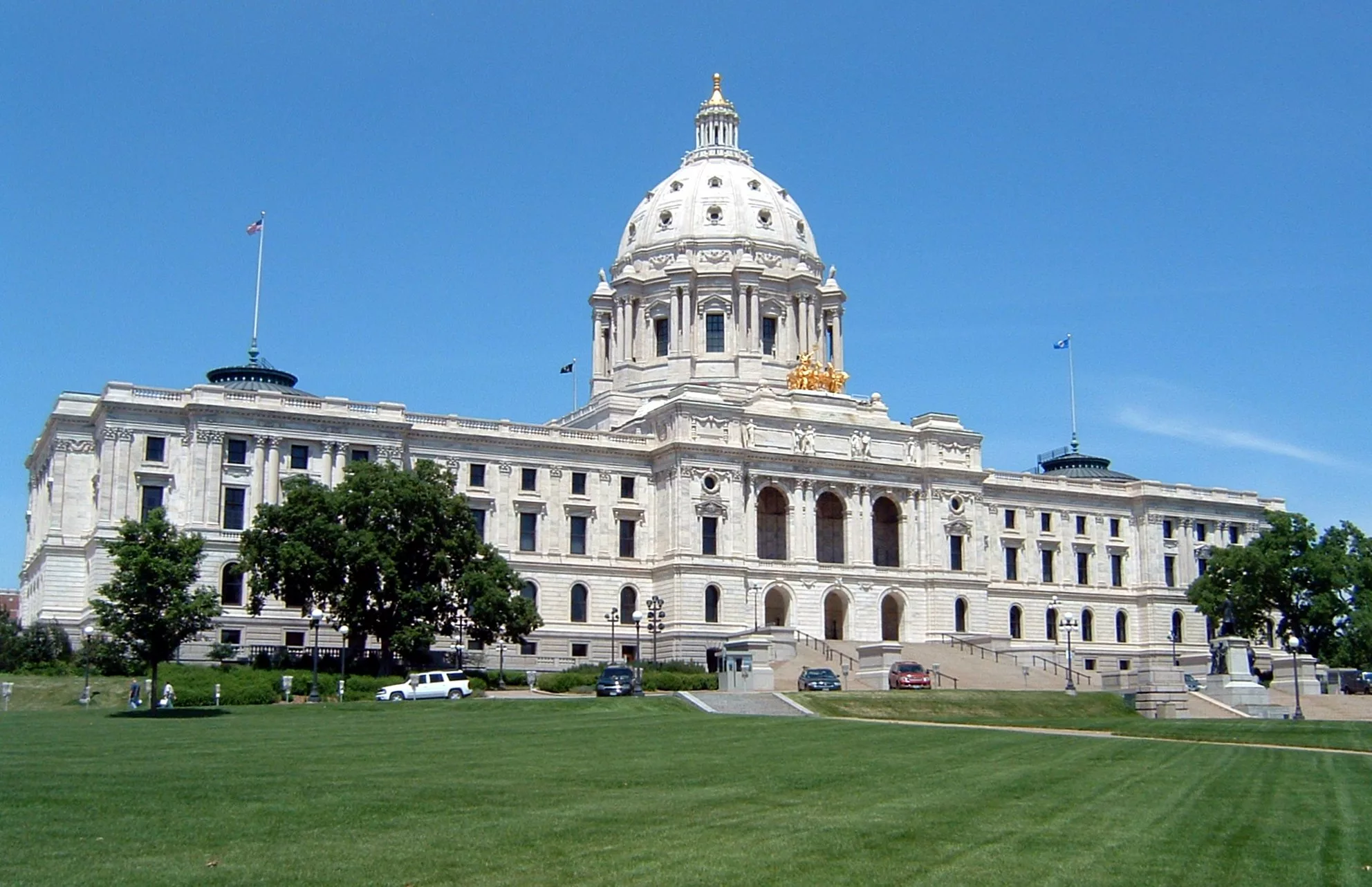
On March 4th, nearly 100 Minnesota family physicians gathered at the state capitol to meet with legislators to discuss urgent issues impacting healthcare across our state. The event was organized by the Minnesota Academy of Family Physicians, an organization dedicated to supporting family doctors as they care for patients of all ages throughout Minnesota.
One of the main focuses of the day was access to healthcare. Medicare and Medicaid, which covers many Minnesotans including pregnant people, children, low-income families and those with disabilities, is at risk with proposed legislation. The legislation proposes stricter eligibility criteria, more frequent renewal requirements, work requirements for recipients, and changes to immigrant eligibility. The Minnesota Academy of Family Physicians opposes these changes because of the risks they pose to patient care.
If the legislation passes, it is predicted that many Minnesotans will lose insurance coverage or experience gaps in care due to increased paperwork and administrative barriers. When coverage is interrupted, patients are not able to see their doctor who knows their medical conditions best. When routine visits are missed, serious medical conditions are unrecognized, patients run out of medications, and preventable complications happen more often. The consequences of this can be serious including missed prenatal care, increased emergency room visits and hospitalization, and even increased disability or preventable deaths. Low-income communities and rural areas are particularly at risk with the proposed changes. When preventative care and maintenance of health conditions is lost, healthcare spending tends to rise instead of fall due to the above complications.
The proposed funding changes also threaten the stability of local medical systems such as Hennepin County Medical Center (HCMC). This major hospital system in our community has a specialized burn unit and is a level I trauma center. It also cares for uninsured individuals and those who face significant barriers to accessing care including some of Minnesota’s most vulnerable populations. Due to funding changes, this hospital system is at risk of closing. This would heavily impact both the patients who use this hospital system, but also other systems as the patients will be diverted to other facilities, some of which may not have the capabilities that HCMC has. HCMC is also a major educator of future physicians, including many who practice in Minnesota after training.
Minnesota struggles to maintain an appropriate number of physicians in rural and underserved communities. Proposed legislation would also reduce the amount of student loans that are available to medical students as well as reducing student loan reimbursement that is available for doctors who work in these underserved areas. The reimbursement strategy is critical to recruiting physicians for these areas. This funding can be the difference for some individuals in whether they can pursue medicine or not. For example, the author of this article is a first-generation physician who grew up in a rural, low-income family. Without student loans or loan forgiveness programs, she could have not become a doctor.
There are meaningful ways you can advocate for healthcare access. If you’re eligible, voting can be the most powerful. State and national elections determine which legislators support policies that expand or restrict healthcare coverage. Information about upcoming elections can be found through the Minnesota Secretary of State’s website.
You can also contact your elected officials directly. The Minnesota Legislature website (leg.mn.gov) has tools to identify and communicate with the legislators who represent your district. Emails, letters, phone calls, and in-person meetings are all effective ways to share your perspective on this issue.
Finally, word of mouth is also powerful. Discussing the issues with friends, neighbors, and family members can encourage them to vote or meet with legislators. Healthcare access affects everyone, and protecting it should be a priority for all.
Dr. Snyder is a family physician at Allina Health United Family Physicians, 233 Grand Ave, St. Paul, MN 55102, 651-241-5200.






Leave a Reply