As federal immigration enforcement activity intensifies across Minnesota, community organizations, small businesses and volunteer networks in St. Paul are responding with rapid, grassroots support focused on food access, legal assistance and emotional safety.
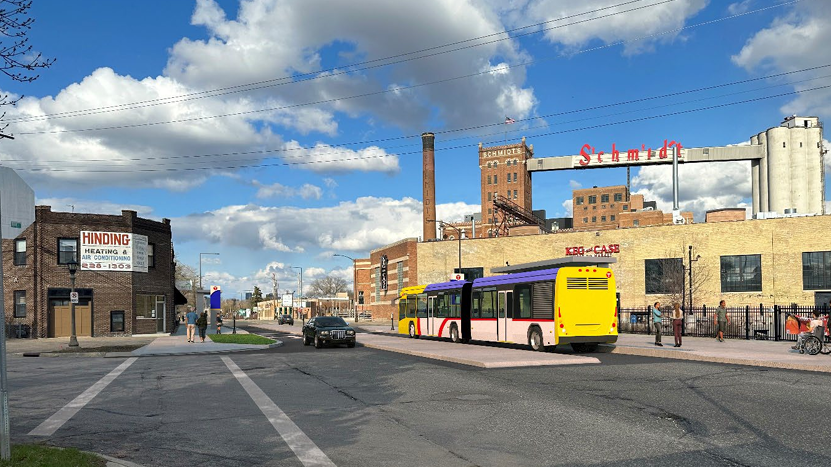
Along West 7th Street, Neighborhood House has emerged as a central hub for crisis response. The nonprofit’s expanded Community Crisis Response program is delivering food and basic necessities to immigrant families who may be avoiding public spaces, work or school due to fear of enforcement activity.
Neighborhood House has partnered with El Burrito Mercado to provide culturally relevant food through gift cards and direct purchasing, a model designed to preserve privacy and dignity while supporting a local Latino-owned business. Details about volunteering, donations and urgent needs are available at: neighborhoodhousemn.org/community-crisis-response.
While volunteer capacity for food delivery is currently full, Neighborhood House continues to accept financial donations and in-kind contributions such as hygiene products and diapers. The organization regularly shares drop-off locations through its social media channels.
West 7th Businesses Become Resource Hubs
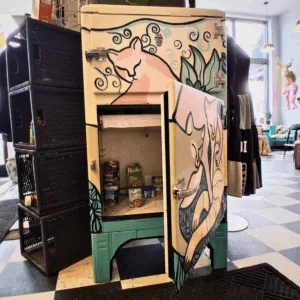
A number of West 7th Street businesses have turned their storefronts into collection points and fundraising sites.
Waldmann Brewing is hosting a two-part educational series led by historian Karen Sieber, with 100% of ticket proceeds donated to the Immigrant Law Center of Minnesota. The brewery has also launched a “Toast to Charity” campaign, donating $3 from select beer sales to Neighborhood House. Learn more at waldmannbrewery.com.
Wandering Leaf Brewing Company pledged $2 from every pour on January 23 to Neighborhood House and has coordinated donation drives that have already delivered more than 30 pallets of supplies to Neighborhood House and St. Paul Public Schools.
Retailers and salons are also playing a key role. Nine Lives Thrift, Tease Salon, Mustache Cat and Hail Mary Piercing Studio maintain food and supply pantries inside their shops. Nine Lives has become a primary drop-off site for snacks, household goods and art supplies for children and has emphasized the growing need as some residents avoid traditional food shelves.
Other breweries, including Bad Weather Brewing, have reported overwhelming community response to donation drives benefiting Neighborhood House.
Legal Help and Advocacy
Several organizations continue to provide free or low-cost immigration legal assistance in St. Paul and statewide:
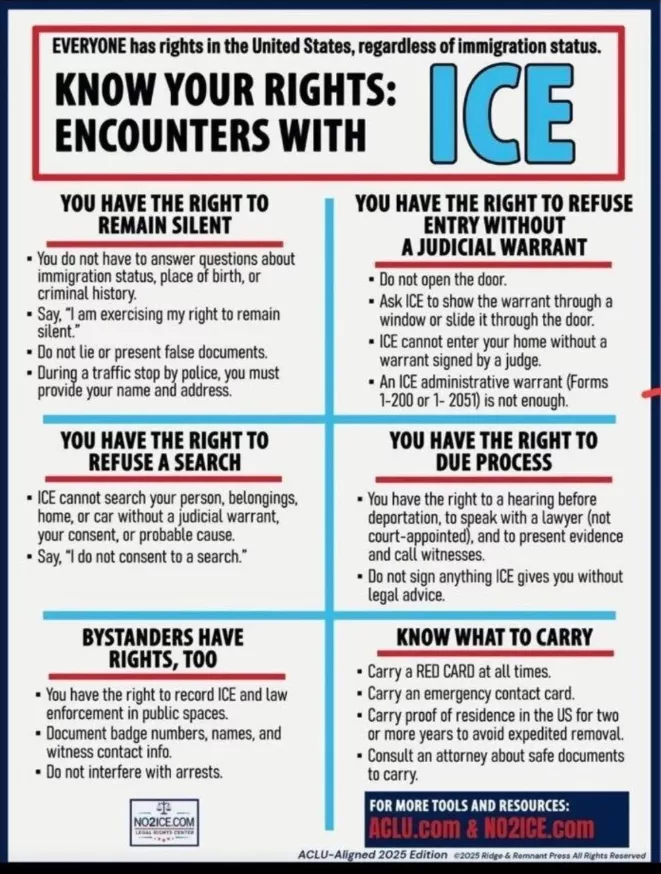
- Immigrant Law Center of Minnesota: ilcm.org | Client intake line: 1-800-223-1368
- MN Advocates for Human Rights: theadvocatesforhumanrights.org/Legal_Help
- Mid-Minnesota Legal Aid: mylegalaid.org | Intake: 1-877-696-6529
- International Institute of Minnesota: iimn.org
- MN8: minnesota8.org | Specialized support for Southeast Asian communities
- Volunteer Lawyers Network: vlnmn.org
Additional advocacy and rapid response efforts are being coordinated by groups such as COPAL, Unidos MN and the Immigrant Defense Network, which connects more than 90 organizations across Minnesota. The ACLU of Minnesota has also filed lawsuits challenging the detention of legal observers during enforcement actions.
Support for Children and Families
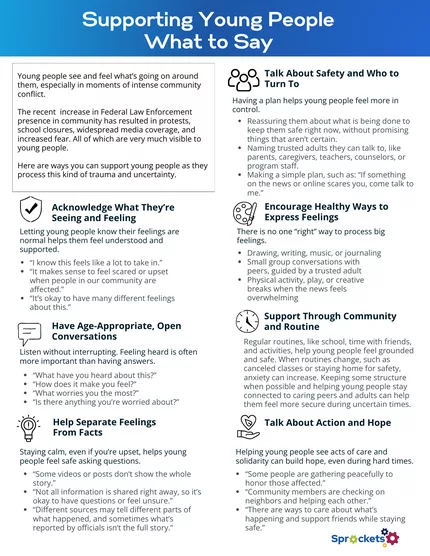
Youth-serving agencies and St. Paul Parks and Recreation have urged caregivers to prioritize routine and open communication as children process anxiety related to enforcement activity and media coverage.
St. Paul Public Schools and several other districts across the metro have offered temporary online learning options for students whose families are afraid to attend school in person, citing safety and emotional well-being concerns.
Government and Legal Response
At the state and city level, Minnesota Attorney General Keith Ellison, joined by St. Paul and Minneapolis, has filed federal lawsuits alleging that the enforcement surge violates constitutional protections and undermines local authority. A federal judge is expected to consider whether to pause aspects of the operation.
The St. Paul City Council has also introduced ordinance updates clarifying limits on the use of city property for federal enforcement staging and reaffirming policies intended to keep city services accessible to all residents.
Broader Context
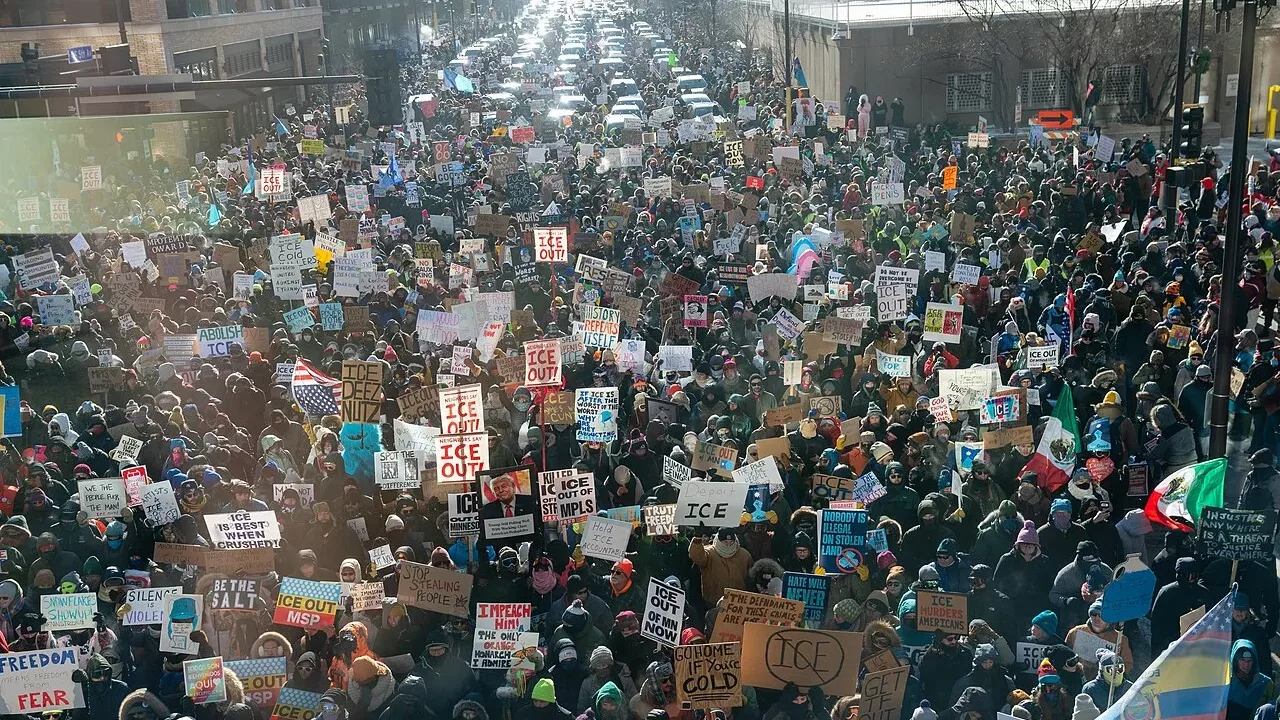
The surge in enforcement activity has prompted statewide protests, including a general strike and march on Jan. 23. It has also coincided with increased anxiety among families and students, especially following the shooting of three people, two fatally, in the first three weeks of their ground offensive. On Jan. 7, 37-year-old Renee Nicole Good died during an ICE enforcement action in Minneapolis. On Jan. 24, Alex Jeffrey Pretti, a 37-year-old intensive care unit nurse, was shot and killed during a separate federal enforcement action in south Minneapolis. Details and official accounts of both killings remain under investigation and subject to legal and public scrutiny, including a recent federal court order preserving related evidence.
For many families in St. Paul, especially along West 7th Street, immediate stability continues to come from neighborhood-based responses: food delivered quietly, legal help offered by phone and businesses opening their doors as places of refuge and care.



Leave a Reply