After a seven-year hiatus, a long-running cultural tradition in Minnesota returns this spring under a new name and structure.
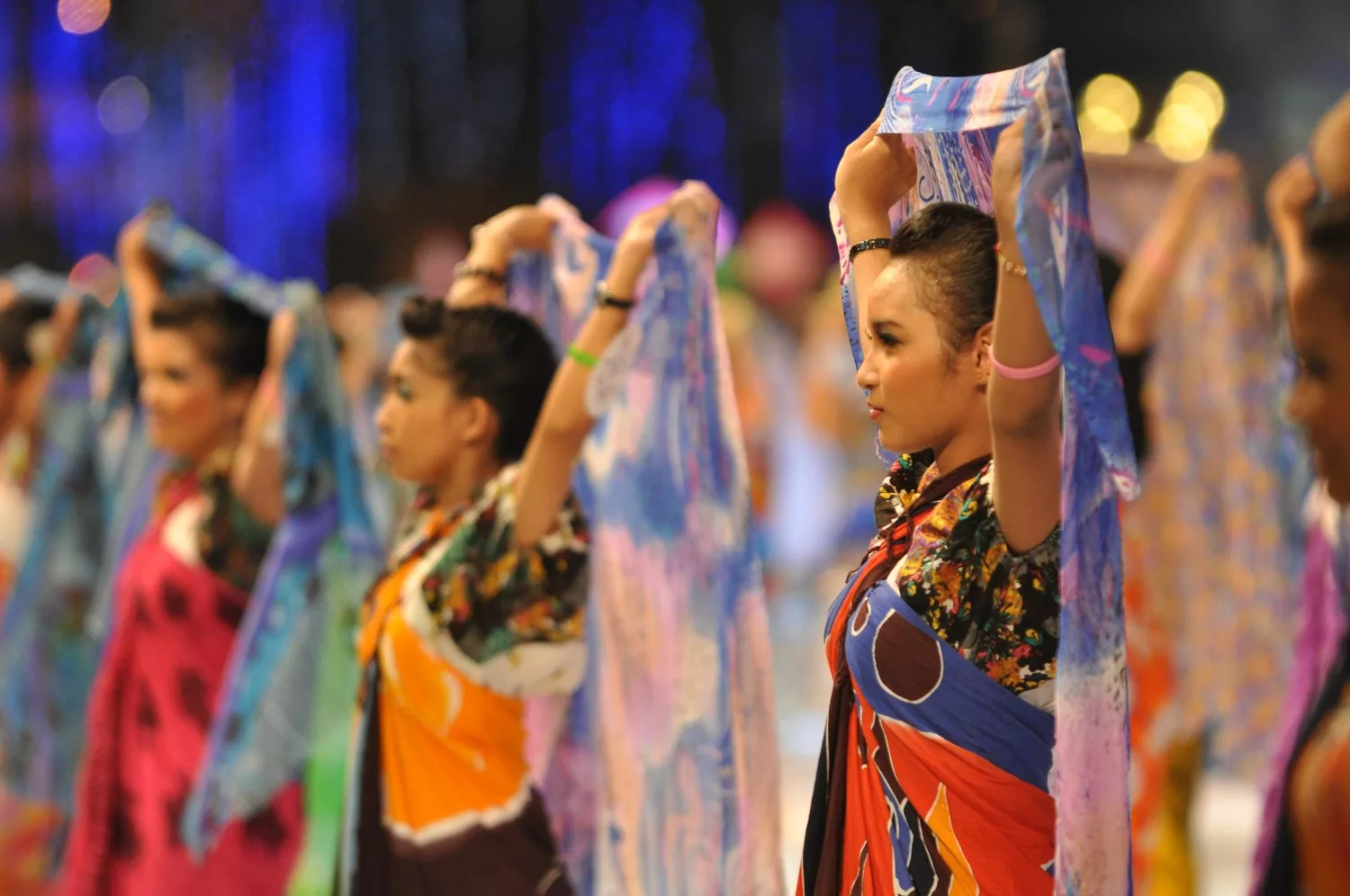
The International Festival of Minnesota will take place April 10–11 at the St. Paul RiverCentre, bringing together more than 70 ethnic communities and nations to celebrate the cultural diversity of Minnesota through food, performances, exhibits and hands-on demonstrations.
Organizers expect about 20,000 people to attend the two-day event, including thousands of students participating in school field trips.
The event marks a new chapter for what many Minnesotans remember as the Festival of Nations, which was organized for decades by the International Institute of Minnesota before the last festival was held in 2019.
“We just felt an event that brought so many people together was gone,” said Steve Heckler, who directed Festival of Nations for eight years and is now helping lead the new festival’s revival.
A new organization and a new name
The new festival is organized by IFest-MN, a nonprofit formed specifically to bring the event back in a reimagined form.
Heckler said the planning effort began about a year and a half ago, when a small group of former organizers decided the festival should return. He reached out to people who had helped run the event during his tenure more than a decade earlier.
“There were a few of us that thought that the festival should come back,” he said. “I reached out to the team who ran it with me back, you know, 12 years earlier, and nobody said no. They all joined in.”
About 25 volunteers are now helping organize the event.
“That’s what makes the whole thing happen,” Heckler said. “This is not something one person can do.”
The organizers chose to give the festival a new name rather than revive the old one directly.
“We wanted to use the Festival of Nations as a model, but we didn’t want to just copy it,” Heckler said. “We wanted to move it to where cultures are now and how we can be representative.”
What to expect
The structure of the event will feel familiar to longtime attendees.
More than 70 cultural communities are expected to participate, representing countries and cultural traditions from around the world.
The festival will feature more than 22 international food cafés serving dishes from across five continents, along with three stages of entertainment that will host dance and musical performances throughout the weekend.
“There’s an opportunity to explore and learn and interact directly with different groups in our communities who live here,” Heckler said.
In addition to performances and food, the event will include cultural exhibits, demonstration areas and an international bazaar featuring crafts and goods connected to participating cultures.
Heckler said the festival aims to balance traditional cultural expressions with contemporary ones.
“You need to find that correct balance,” he said. “You want it to be where both are there.”
A focus on education
Education is a central part of the festival’s programming.
The first day of the event will include school visits, continuing a longstanding tradition from the earlier festival. More than 5,000 students had already registered for field trips as of early March, according to organizers.
Heckler said the educational component is one of the core reasons the festival was revived.
“We wouldn’t start this without a school day,” he said.
The festival has also partnered with the Minnesota Humanities Center to develop educational materials for teachers and students to use before and after visiting the event.
Roots dating back nearly a century
The International Festival of Minnesota builds on a cultural tradition that dates back more than 90 years.
The International Institute of Minnesota first organized a multicultural event called “Homelands Exhibits” in 1932 at the St. Paul YWCA. Fifteen nationality groups participated, and about 3,500 people attended, according to the Minnesota Historical Society.
By 1936 the event had evolved into the first Festival of Nations, held at the St. Paul Civic Auditorium. Architect Dorothy Ingemann designed decorative facades forming a “world village,” where cultural groups presented exhibits and food booths.
The festival continued to expand over the decades. It eventually became an annual event and moved to the St. Paul RiverCentre in 1998. In later years it featured more than 100 ethnic groups, international food cafés, dance and music performances, and a cultural bazaar.
The event also reflected changing immigration patterns in Minnesota, with new communities joining as the state’s population diversified.
The most recent Festival of Nations was held in 2019 before the event paused for several years.
Looking ahead
For organizers, the return of the festival is both a revival and an opportunity to reshape the event for today’s Minnesota.
Heckler said the goal is to create a space where people can connect directly with the cultural traditions represented across the state.
“Without the community groups here in the Twin Cities and Minnesota, there would be no festival,” he said.
If you go
The International Festival of Minnesota, April 10–11, St. Paul RiverCentre.
Tickets are $21 for adults and $10 for youth ages 8–14. Children 7 and younger are admitted free. Advance tickets carry a $3 fee, while tickets purchased at the door do not include additional charges.
More information is available at ifestmn.org.

Leave a Reply